


Key Takeaways
Choosing the right roofing material involves balancing upfront costs with long-term durability and performance. This guide explores the essential components and functional capabilities of two popular asphalt shingle options.
- Asphalt shingles consist of a base mat and protective granules.
- Architectural shingles offer superior wind resistance.
- Proper installation is necessary for structural longevity.
- Material weight impacts the overall roof lifespan.
- Lifetime value depends on maintenance and initial quality.
Construction and manufacturing differences
When evaluating the difference between 3 tab and heavy architectural shingles, homeowners should consider how each type is built from the ground up. Standard 3-tab models utilize a single, flat layer, whereas higher-end alternatives leverage complex, multi-layered designs that provide better protection against the elements.
Composition of asphalt and fiberglass mats
Both shingle types rely on a fiber-reinforced foundation and a weather-resistant asphalt coating. Understanding the shingle manufacturing process helps homeowners identify why quality materials remain more resilient over time. The fiberglass base acts as the backbone, while mineral granules provide the necessary shield against harsh ultraviolet rays and environmental debris.
Single-layer versus multiple-layer lamination
Manufacturers create 3-tab shingles as a single strip, which contributes to their limited thickness and uniform profile. In contrast, architectural variants feature additional layers of solid material bonded to the base, resulting in a significantly thicker and more durable product. This lamination process is the secret to their improved structural integrity and resistance to common wear.
Weight disparities and structural requirements
| Feature | 3-Tab Shingle | Architectural Shingle |
|---|---|---|
| Material Weight | Lighter | Heavier |
| Layer Thickness | Single-layer | Multi-layer |
| Expected Lifespan | Short-term | Long-term |
Because of the added layers, architectural roofing systems generally weigh more than their 3-tab counterparts. Before installation, it is crucial to consult with pros like Mustang Roofing to ensure your home’s roof deck can support this extra load. Heavier materials require greater precision during the application phase to maintain the structural safety of the building.
Aesthetic appeal and curb appeal
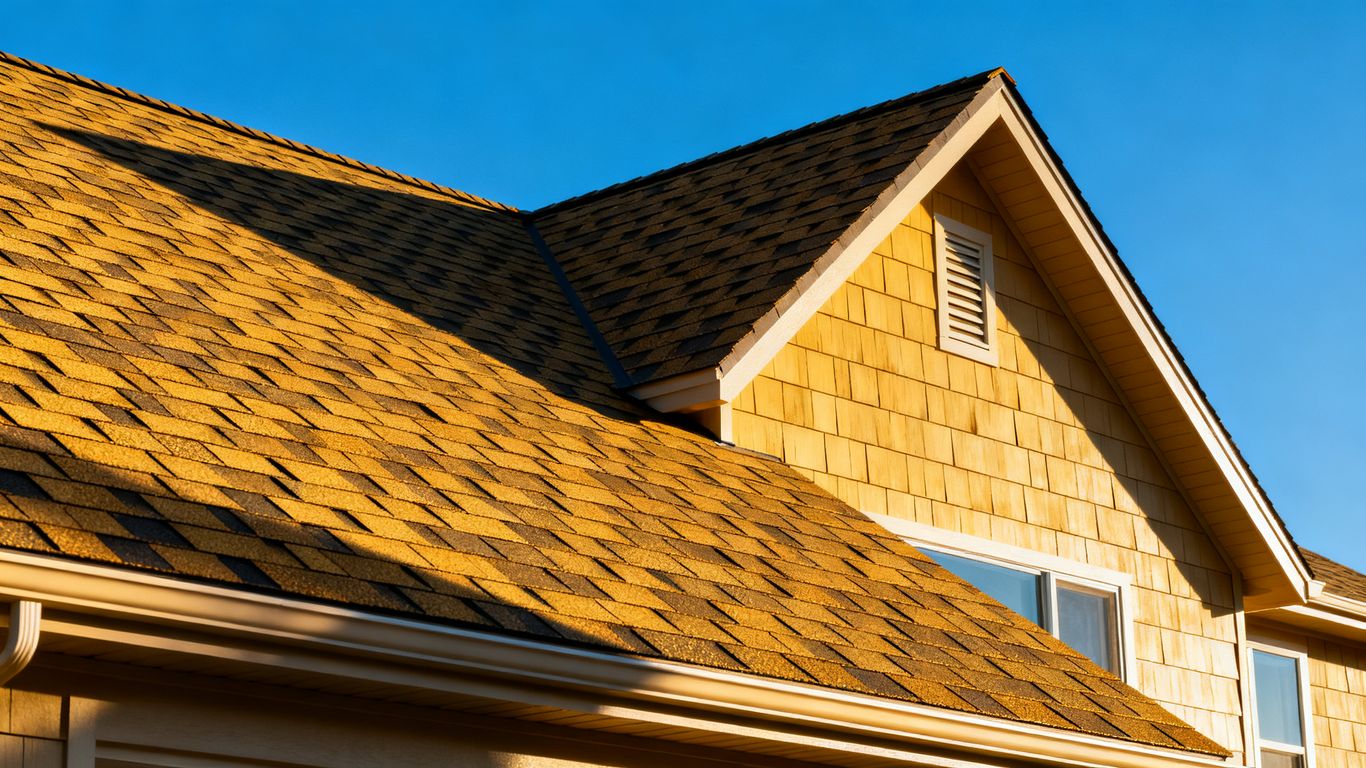
Visual aesthetics often drive the choice between these two roofing styles, as the texture of shingles can dramatically alter a home’s exterior character. While budget considerations are important, the immediate impact on curb appeal is frequently the deciding factor for many homeowners.
The flat, uniform look of 3-tab shingles
These shingles are known for their classic, two-dimensional appearance that fits well with many traditional or smaller home designs. The consistent, flat pattern keeps the roof looking subtle and uncluttered, which can be exactly what some homeowners want for their property.
Dimensional depth and shadow lines of architectural shingles
Many homeowners prefer the dramatic, deep look created by the varied contours of architectural shingles. The natural shadow lines add a layer of sophistication and dimension that effectively boosts the perceived value and personality of the home’s architecture.
Impact of roof profile on home resale value
Selecting a high-quality roofing system is a wise investment in property value that often pays off during future sales. Most buyers recognize the quality of dimensional shingles, seeing them as a sign that the roof has been well-maintained and built for the future.
Performance and wind resistance
Performance under pressure—especially during heavy storm events—separates standard roofing from industry-leading systems. The design of the shingle directly dictates how well it guards the underlying structure from water intrusion and wind uplift.
Wind uplift ratings for standard 3-tab systems
Standard shingles often grapple with limited wind resistance, making them more susceptible to curling or detachment during high-velocity weather events. These systems typically meet basic code requirements, but they may not offer the peace of mind found in higher-rated alternatives.
Advanced sealing technology in heavy architectural designs
Architectural shingles utilize advanced, multi-stage sealing agents that bind layers together, ensuring they stay put even during intense gusts. When it comes to securing a home against severe weather, this specialized manufacturing provides a far more stable barrier than traditional, lighter strips.
Impact of material weight on severe storm performance
Heavier materials naturally hold their position more effectively against the force of heavy rain and wind. Relying on experts to manage professional installation ensures that this weight is distributed correctly, keeping the roof secure when storms intensify.
Durability and expected lifespan
Longevity is the ultimate measure of a roof’s success, and material choices here directly correlate with how many replacements a homeowner will need over their lifetime. Most modern owners now favor options that prioritize resilience over temporary savings.
Breakdown of material wear and tear patterns
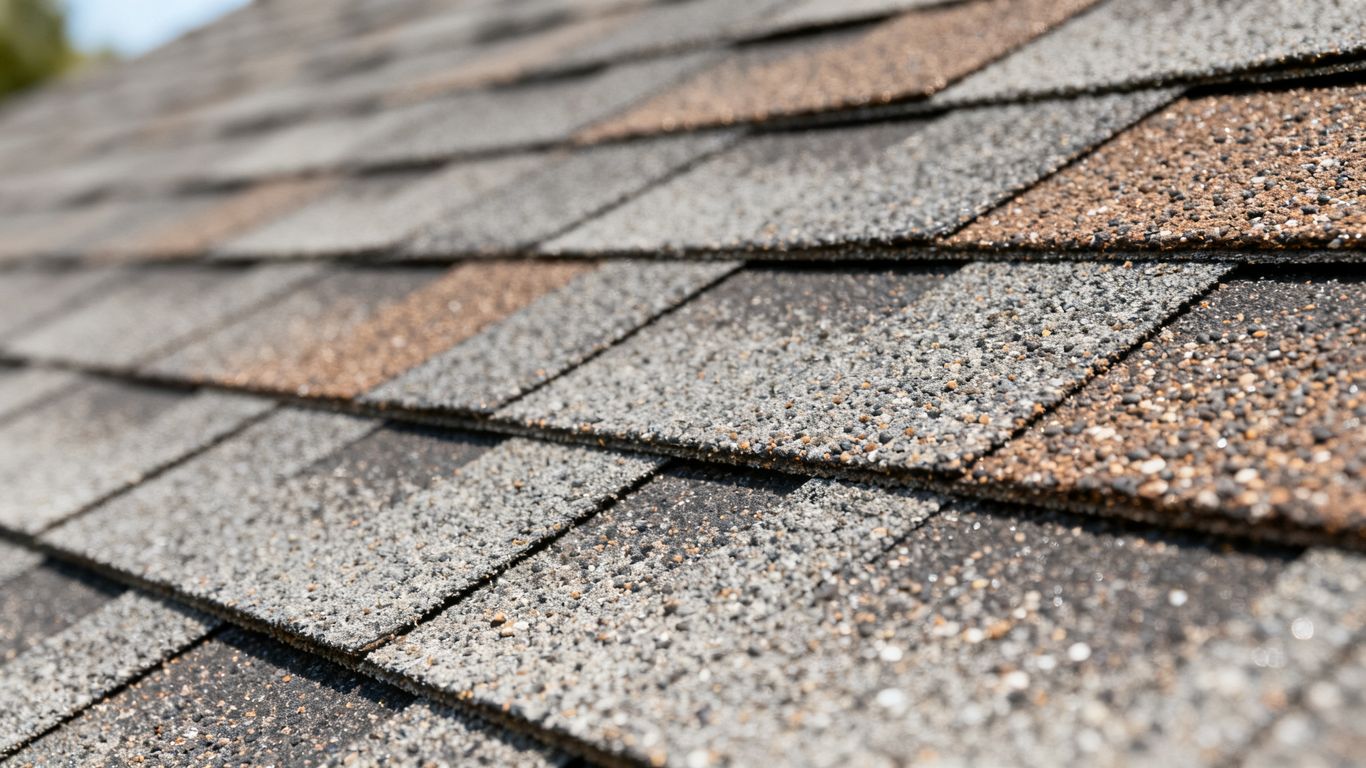
Wear often appears as granule loss or thinning in critical spots where water naturally flows. While 3-tab shingles might show these signs within fifteen years, more robust options often last much longer because of their superior material thickness and protective coatings.
Manufacturer warranty duration comparisons
Warranty length serves as a strong indicator of how much a manufacturer trusts their own product. While standard shingles usually carry limited coverage, architectural systems often feature extended terms, reflecting their status as a more permanent, high-value roof replacement solution for the home.
Effects of regional climates on premature shingle aging
Climate plays a massive role in how quickly a roof breaks down, with intense heat and rapid cooling cycles accelerated by poor ventilation. Engaging local professionals to check for decking integrity and attic airflow helps protect the investment regardless of external environmental stress.
Cost analysis and installation considerations
Cost is not just about the sticker price on a bundle of shingles; it involves accounting for the labor and long-term protection provided by the installation team. Choosing a budget-driven bid can frequently lead to hidden costs.
Material pricing comparisons per square
While 3-tab shingles are generally cheaper, the actual price difference between these and architectural shingles depends on market availability. Homeowners should look at the true installation cost to see how each material fits into their long-term financial plans.
Labor complexities for multi-layer shingle installation
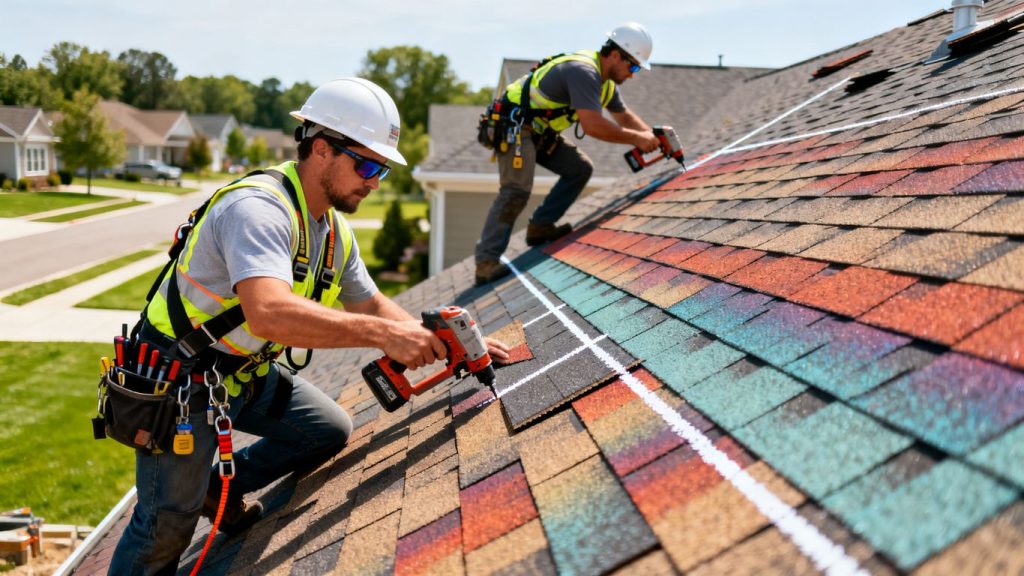
Properly installing architectural shingles requires a higher level of skill and attention to detail. Skipping the professional tear-off process or failing to address flashing can negate the benefits of premium materials. It is safer to rely on contractors who prioritize thoroughness over speed.
Evaluating long-term return on investment
Investing in higher-quality materials can be more cost-effective when considering the cost of premature repairs. For homeowners planning to stay in their property, a durable, well-installed roof provides more stability than a lower-cost alternative.
Maintenance requirements and repair feasibility
Regular care is essential for ensuring any roofing system reaches its full lifespan. Regardless of the material, keeping an eye on the roof’s health will save significant trouble later on.
Identifying common signs of early shingle degradation
Homeowners should walk the perimeter periodically to look for uplifted tabs, missing granules, or loose debris. Catching these small issues before they manifest as interior leaks helps prevent major structural restoration down the road.
Challenges of color matching during localized patch jobs
Patching a roof later on often becomes difficult because manufacturers frequently update their shingle colors. For this reason, it is always better to aim for a high quality roof from the start, as future color matching becomes far less of a headache.
Preventive maintenance to extend roof system longevity
- Schedule professional roof inspections annually.
- Keep valleys clear of leaves and sticks.
- Verify attic ventilation is not obstructed.
- Address vent flashing issues immediately when found.
Proactive care keeps your home secure, and professional assessments once a year go a long way toward finding hidden problems early.
Conclusion
Choosing between 3-tab and architectural shingles ultimately comes down to your priorities for durability, curb appeal, and budget. While budget-friendly options have their place, investing in architectural shingles offers greater long-term value, better performance against the elements, and more refined aesthetics. By partnering with experienced contractors who prioritize high-quality installation and thorough structural support, you gain the confidence that your new roof will protect your home and your peace of mind for decades to come.
Frequently Asked Questions
Can you install architectural shingles over 3-tab shingles?
It is strongly discouraged. A professional roof system requires a clean, sound surface. Layering new material over an old, failing roof traps moisture and prevents a proper inspection of the deck, which can lead to major, long-term structural failure.
Do architectural shingles last longer than 3-tab shingles?
Yes, architectural shingles typically last significantly longer. Their multi-layered construction and added weight provide better protection against wind, UV damage, and debris, allowing them to remain effective for twenty-five to thirty years or more.
Are architectural shingles heavier for my roof structure?
Because they consist of multiple layers, these shingles possess more weight than standard strips. Most modern homes are designed to handle this load, but a professional assessment should always occur during the initial planning phase.
Which shingle style is better for resisting wind damage?
Architectural shingles are the clear winners in high-wind conditions. Their construction and enhanced adhesive strips are specifically designed to hold tight against intense weather, whereas standard 3-tab models are much more likely to lift or detach.
Is the cost difference significantly higher for architectural shingles?
Architectural shingles typically have a higher upfront cost than 3-tab shingles. However, when you factor in their longer lifespan and reduced need for repairs, many homeowners find them to be a more valuable long-term asset.
Will architectural shingles improve my homes resale value?
Many homebuyers appreciate the dimensional look and the proven durability of architectural systems. This aesthetic upgrade can enhance curb appeal and signal to potential buyers that the roof is a reliable, high-end feature.
Does warranty coverage differ between these two types?
Yes, warranties for architectural shingles are often much broader and longer than those for 3-tab shingles. Because these premium materials are designed to last, manufacturers are more likely to offer extensive protection against premature wear or defects.