


Key Takeaways
Finding a reliable contractor is essential for safeguarding your home against weather damage and long-term structural failure. Follow these strategies to identify a partner that prioritizes quality and accountability.
- Verify all state and local contractor licensing before signing any agreements.
- Always request proof of comprehensive liability and active workers’ compensation insurance.
- Evaluate manufacturer warranties alongside labor guarantees for total system protection.
- Prioritize contractors who use advanced diagnostics, such as drone inspections, for accuracy.
- Look for transparent financing options that help fit a high-quality renovation into your budget.
Evaluating professional credentials and licensing
Choosing among roofing companies near you starts with a deep dive into legal standing and professional accountability. It is not enough to simply take a sales representative at their word when they promise high-quality work. You need to independently verify the credentials that protect you as a homeowner and validate the business’s standing in the local market.
Verifying state and local contractor licenses
A valid license is the baseline requirement for any legitimate operation. Verify that the company holds the appropriate credentials for your specific region, as these requirements vary significantly between states and municipalities. Relying on a properly licensed firm ensures that the business is recognized by regulatory boards and remains accountable to regional building standards.
Confirming comprehensive liability and workers' compensation insurance
Protecting your property requires ensuring that your chosen contractor carries robust, active insurance policies. Liability insurance shields your assets in the event of accidental damage, while workers’ compensation is vital for your own legal protection if an injury occurs on your premises. Always request a current certificate and double-check its validity with the carrier directly.
Researching Better Business Bureau ratings and project history
Local directories like those for trusted roofing contractors offer insight into how a firm handles conflict and maintains quality over time. A strong history with the Better Business Bureau often points toward a company that values its reputation and addresses customer concerns with professionalism. Look for consistent, positive project histories that demonstrate long-term competency rather than isolated successes.
Comparing material options and manufacturer warranties
Pros and cons of asphalt architectural shingles
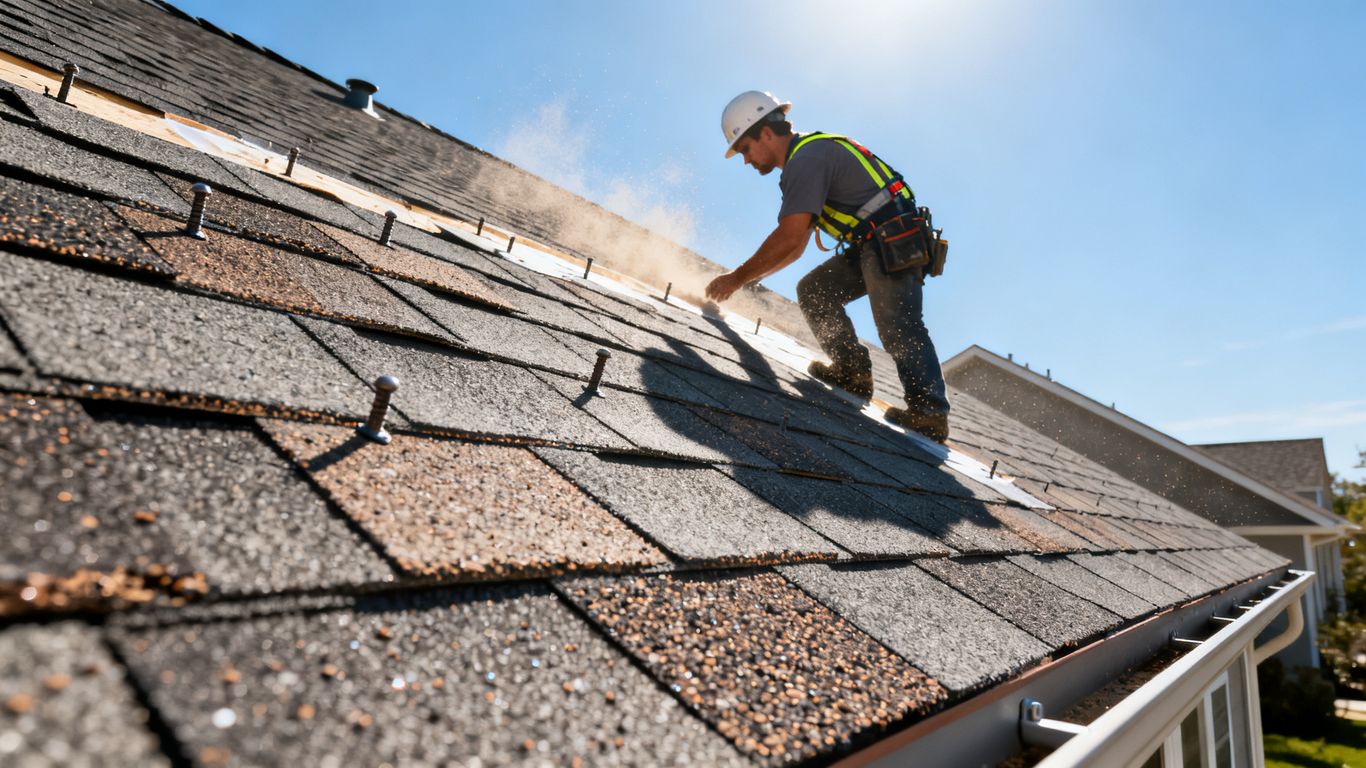
Architectural shingles are a popular choice due to their multi-dimensional look and balanced cost-to-performance ratio. While they offer decent wind resistance, homeowners should consider how they perform under extreme temperature shifts. They are generally reliable for residential needs, provided they are installed over a high-quality synthetic underlayment to prevent moisture buildup.
Benefits of premium metal and synthetic roofing materials
For homeowners seeking maximum durability, metal roofing systems often represent a superior long-term investment in structural stability. Unlike traditional materials, metal reflects solar heat, provides exceptional fire resistance, and significantly extends the lifespan of the roof. Synthetic alternatives also mimic natural looks while offering high wind and hail ratings.
Understanding the difference between labor and material warranties
A comprehensive protection plan always separates the craftsmanship guarantee from the manufacturer’s product coverage. Relying on a 50-year material warranty is useless if the initial labor quality is poor, leading to premature installation issues. Ensure your contract clearly outlines how the contractor will address both installation defects and material-related failures during the warranty period.
Understanding the total roof replacement process
The process of a total roof replacement is much more than just swapping out old shingles for new ones. A rigorous approach involves stripping the assembly down to the decking to address any hidden decay or rot. This level of thoroughness is the only way to ensure the home’s foundation is truly ready for its next generation of protection.
Conducting a comprehensive on-site roof inspection
Professional inspections provide the data needed for a successful project. Using drone technology or hands-on structural analysis allows teams to identify vulnerabilities before any work starts. This proactive step prevents unexpected mid-project surprises that could lead to budget overruns or schedule delays.
Assessing structural decking and underlayment integrity
The decking acts as the backbone of your roof, and its integrity is non-negotiable. Inspecting the surface for water damage or warping before installing new layers is a critical safety step. Contractors must also choose an underlayment that allows the system to shed water efficiently while preventing moisture from creeping into the attic.
Ensuring proper attic ventilation and shed design
Proper ventilation extends the life of your entire roof system by controlling heat and moisture accumulation. Without it, shingles can suffer from premature degradation even if they are top-tier products. A well-designed system includes adequate intake and exhaust channels, ensuring that your home maintains optimal air circulation for decades.
Navigating roofing cost estimates and payment plans
Identifying potential hidden costs in a roof quote
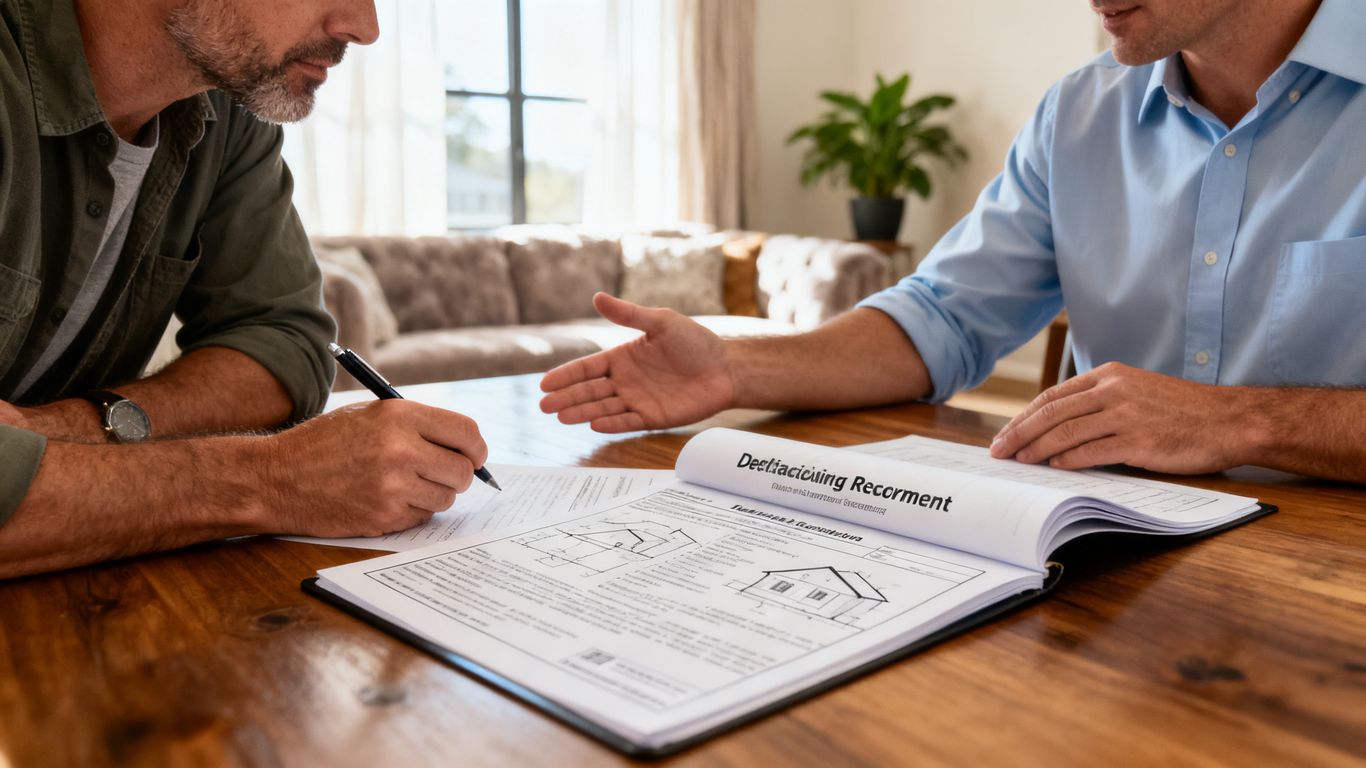
Many estimates fail to account for the "unknowns" found during a tear-off, such as rotten decking board replacement. To clarify your options, it is helpful to review the following cost components typically found in a professional estimate.
| Cost Factor | Inclusion Description | Importance Level |
|---|---|---|
| Material Tiers | Choice of shingle or metal grade | High |
| Decking Repair | Per-sheet charges for rotting wood | Critical |
| Waste Removal | Cleanup and disposal fees | Standard |
Reviewing these items ensures you aren’t blindsided by extra expenses once the work is already underway and your roof is exposed. Clear documentation protects both you and the contractor throughout the replacement project.
Balancing quality craftsmanship with your budget requirements
High-quality roofing depends on skilled labor, which naturally costs more than generic installations. Homeowners who prioritize durability often find that paying for professional expertise upfront prevents costly, recurring repairs caused by poor workmanship. Focus on the total cost of ownership rather than just the initial price tag.
Exploring flexible financing and insurance claims assistance
Managing a large home renovation budget is easier when you have access to flexible payment options. Reputable firms often provide assistance with insurance claims to ensure the process remains efficient. Programs like those offered by Mustang Roofing allow families to balance professional, long-term solutions with manageable payment schedules.
Identifying reliable local installation practices
Installation quality is the final verdict on your choice of contractor. Even the most expensive materials will fail quickly if the crew does not follow precise industry standards. Observing how a team prepares the work site and protects your property can serve as a strong indicator of their overarching professionalism.
Spotting signs of substandard installation workmanship
Common errors often visible to an observant homeowner include improper nail placement, uneven shingle lines, or failure to stagger seams. Watch for teams that rush the process, as this usually correlates with ignored safety protocols or skipped manufacturer steps. A quality installation should appear uniform and taut across the entire pitch of your roof.
Evaluating the crew's approach to site cleanup and property protection
Respectful contractors view your home as their own work site while on the job. They should consistently deploy protective tarps to handle debris, ensure their tools are stored safely, and keep the grounds clear of stray nails by using magnetic rollers. A clean work site reflects an organized, disciplined approach to the entire project.
Confirming strict adherence to local building codes
Local building codes exist to standardize safety and performance for your specific climate zone. A professional, trusted contractor will always secure necessary permits and ensure their installation protocols meet or exceed current regional requirements. Failure to adhere to these codes can create significant legal and insurance issues down the road.
Managing the final walkthrough and project sign-off
The transition from active construction to a finished roof concludes with a rigorous walkthrough. This is the moment to verify that every detail satisfies the initial project scope. Never feel rushed during this phase, as your signature closes the door on the immediate project lifecycle.
Reviewing the quality of flashing installations and seals
Flashing is the most common point of failure for residential roofs. Check that the metal or rubber barriers around chimneys, vents, and valleys are properly seated and sealed against the elements. A well-executed finish should look clean and provide a continuous, watertight barrier along every roof penetration.
Inspecting drainage performance and gutter functionality
A great roof manages water perfectly, moving it toward the gutters without obstruction. During your walkthrough, ensure that the new installation hasn’t hindered your gutter performance or caused localized pooling. Proper integration here is essential to prevent water damage to your fascia and siding.
Securing final project paperwork and structural warranties
Before submitting final payment, collect all relevant documentation and certificates. This includes your structural warranty, material manuals, and final inspections from local building authorities. Having this paperwork organized ensures that Mustang Roofing or your chosen expert remains a point of reference if questions arise in the future.
Conclusion
Selecting the right roofing partner involves balancing technical due diligence with a clear understanding of your property’s long-term needs. By prioritizing professional licensing, high-quality materials, and transparent project management, you ensure that your home remains protected under a roof built to last. When you focus on these fundamental aspects, you achieve the stability and peace of mind that every homeowner deserves.
Frequently Asked Questions
How often should a homeowner have their roof inspected?
Most experts recommend an inspection at least once every two years, or immediately following any significant weather event like a heavy hailstorm or high-wind storm. Proactive checks allow you to catch minor issues before they escalate into structural problems.
What are the main signs that a roof is failing?
Common indicators include visible shingle curling, excessive granule loss in your gutters, light coming through your attic roof deck, and recurring interior leaks. If you notice any of these signs, it is time to have a professional assessment conducted to determine if a repair is sufficient or if replacement is required.
Can I perform a roof repair myself?
Roof work involves significant safety risks and technical complexity that can lead to voided warranties or inadequate results if done poorly. It is generally advised to leave repairs to licensed professionals who have the proper equipment and structural knowledge to ensure the integrity of the entire system.
How do I know if I need a full replacement?
Replacement is usually the most cost-effective path when the current roof has reached the end of its typical lifespan or has sustained widespread damage. If the repair costs for multiple areas of the roof start to approach a significant portion of a full replacement price, a new system is typically the smarter long-term answer.
How long does a standard residential roof replacement take?
For most average-sized homes, a full professional roof replacement can be completed in a few days. However, the exact timeline depends on the complexity of the roof’s design, the presence of structural damage that needs remediation, and the prevailing weather conditions during construction.
Why is physical office location relevant for a roofer?
Having a local office serves as a mark of accountability, signaling that the business is embedded in your community. It makes it significantly easier to discuss project warranty concerns or post-installation service directly with a team that has a vested interest in your neighborhood.
What factors influence the total cost of a new roof?
The total cost is influenced by the square footage of your roof, the chosen material tier, the current market labor rates in your area, and the extent of structural repairs needed for the underlying deck. Getting a detailed, line-item quote is the best way to understand how these variables combine to affect your specific budget.