



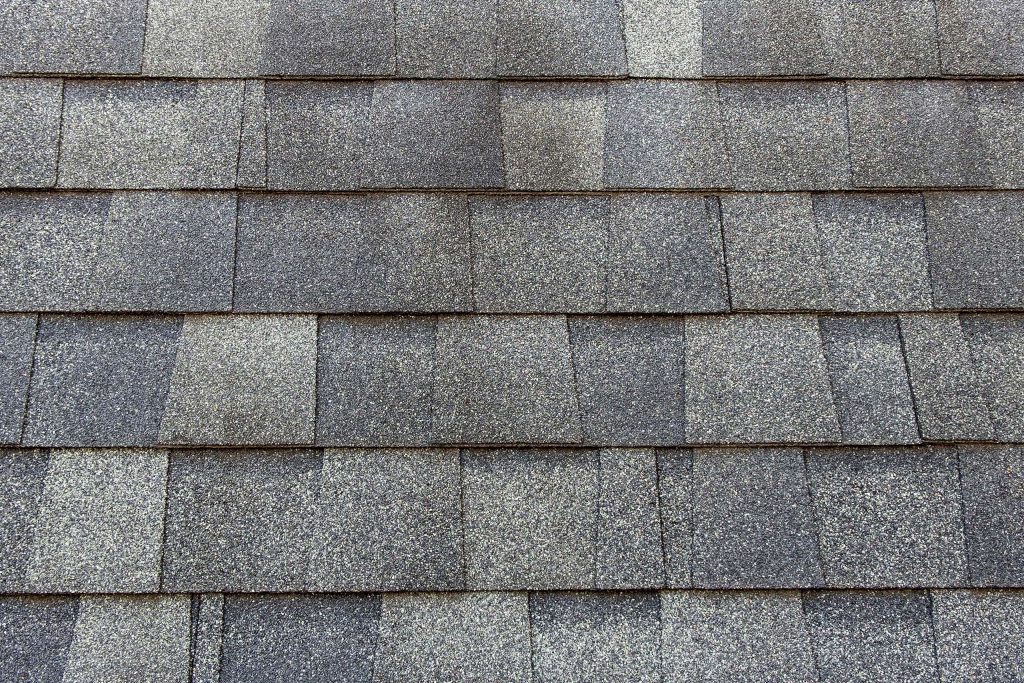
How roof shingles are made is a question that many homeowners, contractors, and building professionals ask when evaluating roofing materials.
Roof shingles are one of the most widely used roofing materials in North America—and for good reason. They’re affordable, durable, and available in a wide range of colors and styles. But have you ever wondered how roof shingles are actually made?
Understanding the manufacturing process can help you make better decisions when it comes to roof repair or replacement.
What Are Roof Shingles Made Of?
Most modern shingles, especially asphalt shingles, are made from a combination of materials designed to provide strength, flexibility, and weather resistance.
The main components include:
- Fiberglass mat – Provides structural support
- Asphalt coating – Adds waterproofing and durability
- Mineral granules – Protect against UV rays and add color
- Sealant strips – Help shingles bond together for wind resistance
These materials work together to create a roofing system that can withstand harsh weather conditions.
Step-by-Step: How Roof Shingles Are Made
1. Creating the Fiberglass Base
The process begins with a fiberglass mat, which acts as the foundation of the shingle. This mat is made from fine glass fibers woven together to create a lightweight but strong base.
2. Applying the Asphalt Coating
The fiberglass mat is then coated with hot asphalt. This step is critical because it gives the shingle its waterproof properties and durability.
3. Adding Mineral Granules
While the asphalt is still hot, ceramic-coated mineral granules are applied to the surface. These granules:
- Protect the shingle from UV damage
- Add color and texture
- Improve fire resistance
4. Cooling and Setting
After the granules are applied, the shingles go through a cooling process. This allows the materials to set properly and ensures consistency in quality.
5. Cutting and Packaging
Once cooled, the large sheets are cut into individual shingles and packaged into bundles, ready to be shipped to suppliers and contractors.
Why the Manufacturing Process Matters
Knowing how shingles are made helps homeowners understand what to look for in a quality roofing product.
Higher-quality shingles typically have:
- Thicker asphalt layers
- Better granule adhesion
- Stronger fiberglass backing
These factors directly impact the lifespan and performance of your roof.
Choosing the Right Shingles for Your Home
Not all shingles are created equal. Climate, roof slope, and budget all play a role in selecting the right material.
In areas like Georgia, where roofs are exposed to heat, humidity, and storms, choosing durable, weather-resistant shingles is essential.
Working with a professional roofing company ensures that you get the right materials and proper installation for long-term performance.
Final Thoughts
Roof shingles may look simple from the outside, but their manufacturing process is carefully engineered to provide protection, durability, and style.
Whether you’re planning a roof replacement or just learning more about your home, understanding how shingles are made can give you greater confidence in your roofing decisions.