


Key Takeaways
Securing a discount on your home insurance for impact-resistant shingles requires a strategic approach to material selection and documentation. By understanding how roofing systems are rated and verified, you can successfully lower your annual insurance premiums while protecting your property from severe weather.
- Evaluate the specific impact resistance ratings required by your insurance provider early in the planning process.
- Ensure that all roofing materials undergo certified testing according to the relevant industry standards.
- Maintain precise documentation, including installation forms and manufacturer labels, to verify your claim.
- Confirm with your carrier how discounts are applied, as policies differ between providers.
- Prioritize professional, full-system installations to ensure your roof meets the structural standards necessary for these long-term financial benefits.
Understanding class 3 shingles and their durability
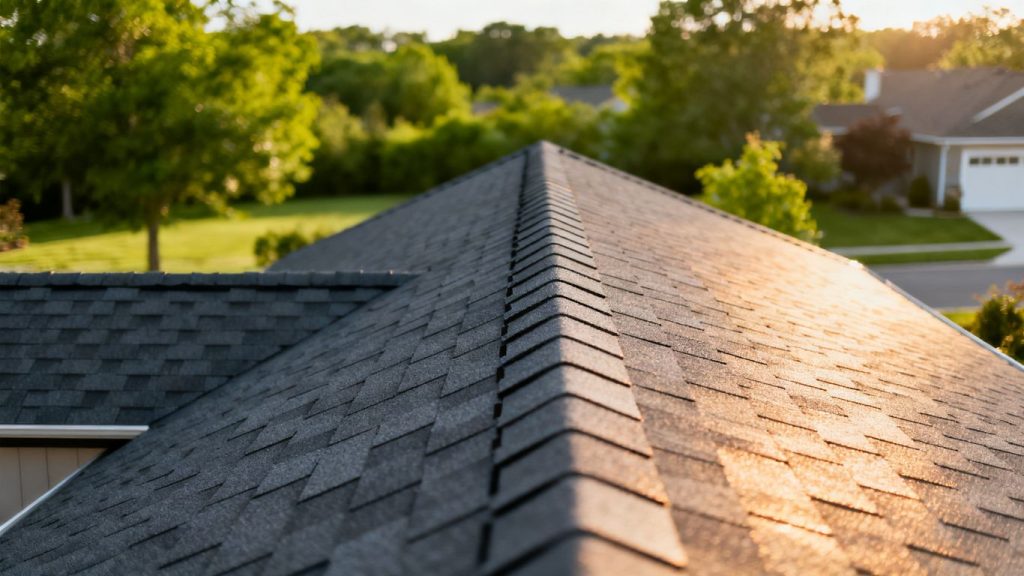
Assessing the durability of roofing materials starts with recognizing how they withstand environmental stressors. Homeowners who opt for upgrades can often secure a class 3 shingles home insurance discount by demonstrating that their roof meets predefined criteria for resilience. Choosing materials that prioritize impact resistance helps you protect the home investment while minimizing the risk of repeated damage during storm seasons.
How impact resistance ratings are determined
Impact resistance is measured through standardized testing protocols where steel balls are dropped onto roofing samples to simulate the force of large hailstones. These tests, primarily defined by UL 2218, categorize materials based on their ability to withstand these strikes without cracking or compromising the structural backing. When investigating Class 3 and Class 4 shingles, it is helpful to understand these laboratory conditions against the real-world performance expected in your specific climatic zone.
The technical differences between class 3 and class 4 shingles
While both classifications provide a higher level of protection than standard architectural shingles, the nuances in their performance can be significant. Class 3 shingles are designed to survive impacts from moderate, one-and-three-quarter-inch steel balls, whereas class 4 materials are subjected to even more intense testing. The technical distinctions often lie in the material’s composition, where advanced manufacturing processes enable greater flexibility and shock absorption.
Why insurance carriers offer discounts for impact-resistant roofing
Insurance providers favor properties equipped with impact-resistant roofing materials because these installations drastically lower the frequency of minor and major repair claims caused by hail. By shifting the burden of damage mitigation to the homeowner through superior materials, carriers mitigate their own financial risk. This creates a mutually beneficial alignment, where the policyholder gains a more resilient and secure roof that commands a lower premium over time.
Qualifying your property for premium reductions
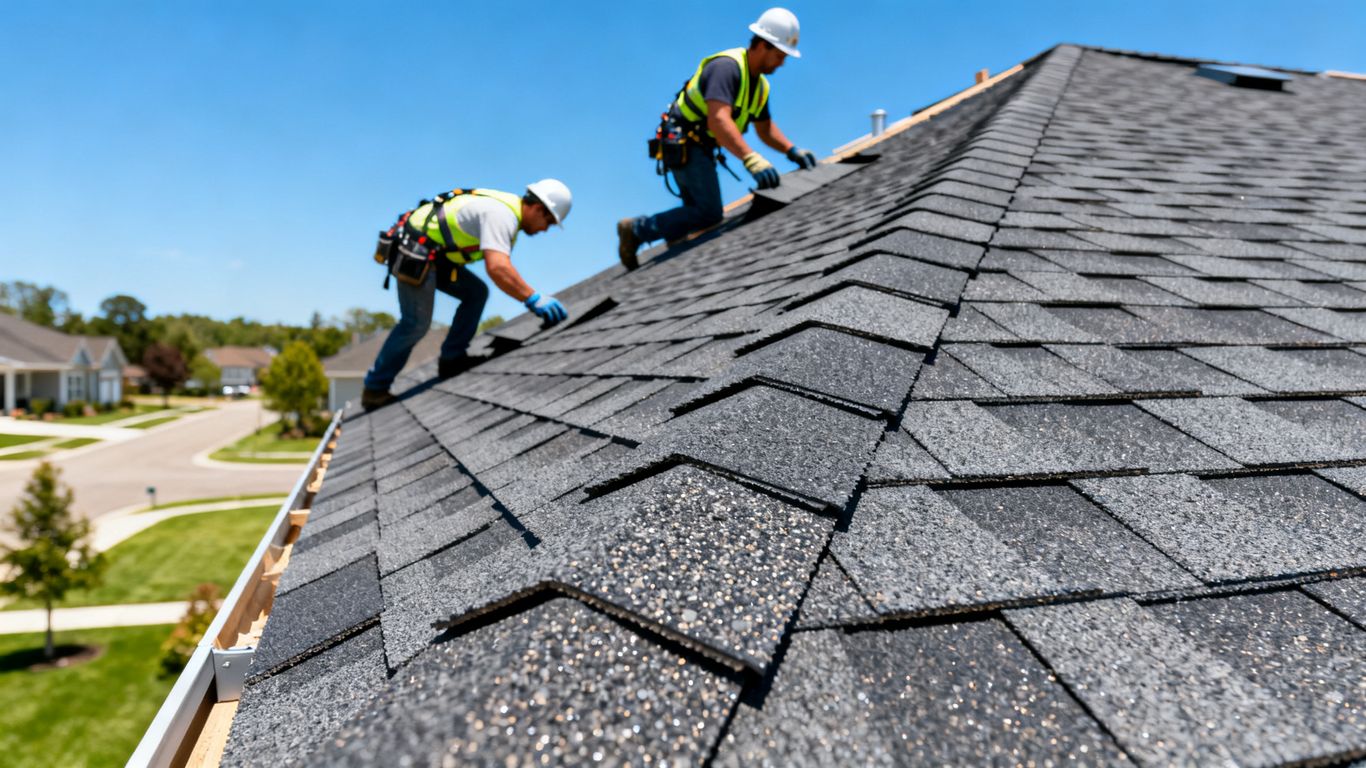
Qualifying for these reductions is rarely as simple as buying a single type of shingle; it requires a coordinated effort between the homeowner, the contractor, and the insurance agency. The path forward includes verifying that every component of the roofing foundation meets high standards of quality. At Mustang Roofing, we focus on ensuring that the entire system—from decking to underlayment—is restored to exceed structural requirements, providing a solid foundation for any secondary qualification steps.
Verifying the manufacturer specifications for your roofing materials
Before finalizing your material selection, you must confirm that the manufacturer explicitly labels the product with the required impact resistance rating. This often involves checking the technical data sheets or the physical packaging to see the UL 2218 certification clearly marked. It is unwise to assume that durability features come standard across all luxury products without checking the specific documentation for your chosen batch.
The role of local building codes in determining eligibility
Local authorities establish building codes that dictate the required resilience for roofing systems, and insurance companies often use these as a baseline for eligibility. In many regions, meeting these codes is mandatory for any discount, as they represent the minimum standard for protecting a structure against regional storm patterns. If your area is prone to significant hail or wind events, local jurisdictions may mandate specific installation techniques or underlayment depths that also help support your case for a premium credit.
Ensuring professional installation meets industry standards
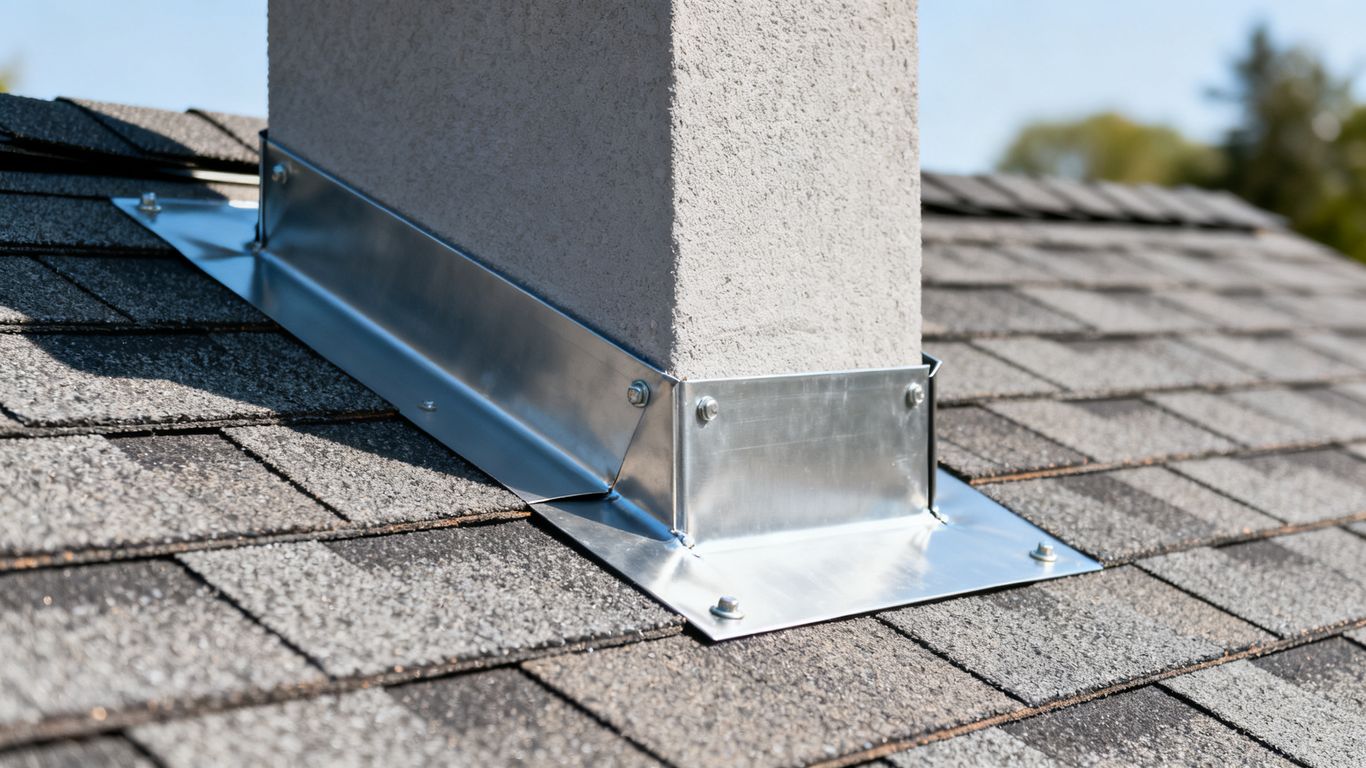
Quality materials count for little if they are installed incorrectly, especially when attempting to verify eligibility for insurance credits. Like the work performed by Mustang Roofing, a proper installation focuses on structural integrity, correct flashing, and ventilation that allows the roof to shed water efficiently. Using certified professionals ensures that the manufacturer warranty remains valid and that the documentation provided to your insurer reflects an installation that follows all industry-recommended best practices.
Navigating the insurance claim and discount process
Navigating the bureaucratic side of insurance discounts can be just as demanding as the physical replacement of the roof itself. It is essential to engage with your agent well before the project begins to establish exactly what paperwork they require upon completion. As noted in the Mustang Roof residential guide, being proactive in managing these communications helps you avoid the confusion often associated with waiting for adjustments to be applied to a policy.
Contacting your provider to confirm eligibility requirements
Reach out to your insurance carrier to explicitly ask about the specific classifications they cover and the form numbers they require for policy adjustments. You may discover that your carrier has a preference for specific brands or requires a specific inspection report following the installation. It is also a good moment to clarify if the potential savings apply to the entire premium or only to specific portions of your total coverage.
Submitting proof of installation and material certifications
Once the project is complete, you must assemble a comprehensive file that includes receipts, certificates of compliance from the manufacturer, and any specific installation forms provided by your contractor. Some insurers might require a post-installation certification form that confirms the materials were not only bought but properly affixed to the structure per specifications. Keeping these documents organized in a digital folder is a practical way to ensure you are ready for the next renewal cycle.
Understanding how discounts are applied to your existing policy
Understanding financial incentives requires reading the fine print regarding your policy renewals. Some companies apply discounts to the gross annual premium, while others might apply them to specific coverage portions, leading to variation in final savings. It is a smart move to ask your agent for a hypothetical breakdown of how your current premiums would shift after the paperwork is processed, ensuring you set realistic expectations for your annual budget.
The long-term value of installing impact-resistant roofing
Investing in a superior roof provides benefits that extend far beyond simple insurance premium discounts. The real value lies in the reduction of cumulative repair costs and the increased longevity of your property’s primary protective layer. Taking a long-term view helps homeowners move past the initial sticker price and focus on the overall cost-of-ownership over several decades.
Reducing the frequency and cost of storm-related repairs
High-density materials significantly decrease the likelihood of surface pockmarks or shingles shattering during routine storms. When you minimize the damage, you effectively eliminate the recurring costs associated with emergency maintenance, patching, or premature tear-offs that typically haunt homeowners with subpar roofs. Consider the following impact of proactive roofing maintenance:
- Extended service life minimizes the need for emergency interim repairs.
- Improved drainage systems reduce water-related structural vulnerability.
- High-resistance materials maintain the roof’s aesthetic appeal for longer periods.
- Increased structural integrity protects the underlying deck from rotting.
Improving the overall resale value of your home
Prospective buyers often view a newer, high-spec roof as a significant selling point, signaling that the property has been well-maintained and protected. The presence of impact-resistant shingles can serve as a strong indicator of quality, showing that you invested in premium components to ensure the home’s longevity. This attention to high-level detail can provide a competitive edge in your local real estate market, potentially shortening the time to sale.
Leveraging manufacturer warranties alongside insurance savings
Many Class 4 impact-resistant shingles come with robust manufacturer warranties that work in tandem with your insurance plan. While insurance covers storm-related accidents, these warranties protect against manufacturing defects or premature degradation under normal weather conditions. This two-pronged approach ensures you aren’t just saving on your annual insurance premiums but are also shielded against fundamental product failure for many years.
Common misconceptions about roofing insurance discounts
It is common for homeowners to have misunderstandings about how these incentives are calculated, often leading to unrealistic expectations. Getting the facts straight allows you to advocate effectively for your property while keeping your expectations grounded in policy reality. Comparing different rating systems can help clear up confusion when you review your quotes.
Distinguishing between hail resistance and wind resistance ratings
Many homeowners confuse hail resistance with wind resistance, but these are measured using vastly different testing criteria. Hail resistance (UL 2218) focuses on the impact of hard objects, while wind resistance (often ASTM D3161) measures the ability of a shingle to remain attached during high-velocity airflow. A roof can be highly resistant to one while being vulnerable to the other, so verify exactly which threat level your discount addresses.
Why older roofs may not qualify for retroactive discount adjustments
Insurance carriers typically apply discounts to new installations only for valid safety and liability reasons. Retroactive adjustments for roofs that were installed years ago without proper certification are rare, as the insurer cannot verify the installation age or the integrity of the materials after they have been exposed to the elements. The following table summarizes the typical considerations for various roofing scenarios:
| Roof Condition | Impact Certification | Potential for Discount |
|---|---|---|
| New Installation | Documented / Verified | High |
| Minor Repair | Not Applicable | Low |
| Existing Old Roof | Unverified | None |
The impact of regional storm risks on potential premium savings
Your potential savings are heavily influenced by the historical storm risk data of your specific geographic region. Insurance companies analyze predictive modeling for hail, hurricanes, and severe wind when calculating premiums, and your roof’s classification plays a major role in these calculations. If you live in an area with a documented history of severe weather, the potential for significant premium relief is much higher than in regions with mild, predictable climates. Contact us to schedule a free inspection if you are ready to evaluate your material options.
Conclusion
Securing a discount through impact-resistant roofing is a multi-step process that hinges on selecting the right materials and maintaining exact documentation. While the paperwork and upfront investment require diligent planning, the long-term benefits—lowered annual insurance costs, increased durability, and fewer storm-related structural repairs—make it an essential consideration for every homeowner aiming to protect their property. By partnering with experienced professionals and communicating clearly with your insurance provider, you can turn a necessary renovation into a strategic, cost-effective investment in your home’s future.
Frequently Asked Questions
Do all insurance companies offer discounts for class 3 shingles?
No, insurance companies determine their own discount programs based on regional risks and internal guidelines, so availability varies significantly. You should reach out to your specific agent or company representative to confirm whether your policy includes provisions for these material upgrades.
Does a metal roof qualify for the same insurance discounts as shingles?
Yes, many insurers offer credits for various types of impact-resistant roofing, including metal panels, tiles, and shakes, provided they meet the same recognized testing standards. The key is ensuring the material is rated for its resistance to impact rather than focusing solely on the specific roofing material type.
How much can I expect to save on my premiums?
Actual savings vary widely between insurance carriers and state legislation, so it is impossible to guarantee a specific percentage return. Some homeowners see modest reductions, while others may qualify for more significant credits that help offset the cost of the roofing project over time.
What documentation do I need to submit to prove my shingles qualify?
You will typically need the manufacturer’s certification label for the roofing product, your final project receipt, and any specific installation forms mandated by your insurance company. Often, a professional contractor can assist by providing the necessary paperwork that links the installed material to its specific UL impact rating.
Does installing impact-resistant shingles guarantee my roof will never be damaged?
No, while impact-resistant materials are engineered to withstand severe weather far better than standard options, no roof is entirely indestructible. These shingles significantly reduce the likelihood and severity of damage from common storm events, but extreme force may still compromise any roofing system.
Can I receive a discount if I only replace a portion of my roof?
Most insurance providers require a full-roof replacement using compliant materials to grant a premium discount. Partial repairs, even with high-rated shingles, often fail to meet the coverage standards because they do not provide the uniform protection required to lower the carrier’s overall risk profile.
Should I consult my insurance agent before choosing my roofing materials?
Yes, it is highly recommended to speak with your agent during the planning phase to verify the specific standards and brands they accept. This prevents the disappointment of selecting a high-quality product that happens to be excluded from your insurance company’s specific discount lists.